Uncle Marv's Unhealthy Podcast explores health beyond diet and fitness. This show explores unhealthy habits and lifestyles and aims to transform them into healthier ones. The podcast is hosted by Marvin Bee, aka Uncle Marv, and covers various topics such as relationships, weight loss, stress management, and identifying and transforming unhealthy habits in various aspects of life. Live Healthy Be Happy
Play Latest Episode


Recent
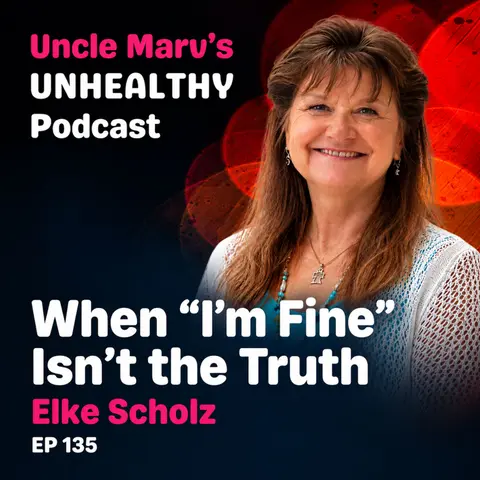
135
Oct. 26, 2026
When “I’m Fine” Isn’t the Truth (EP 135)
I’m back with psychotherapist and author Elke Scholz, and we get into something that’s easy to miss when you’re busy taking care of everybody else: how you’re actually doing. Elke shares how migraines, stomachaches, stuttering, and feeling different were part of a struggle she didn’t recognize as anxiety until after she started her private practice. Helping other people didn’t make her immune to getting drained, either. She opens up about exhaustion and the shift that helped her start paying att
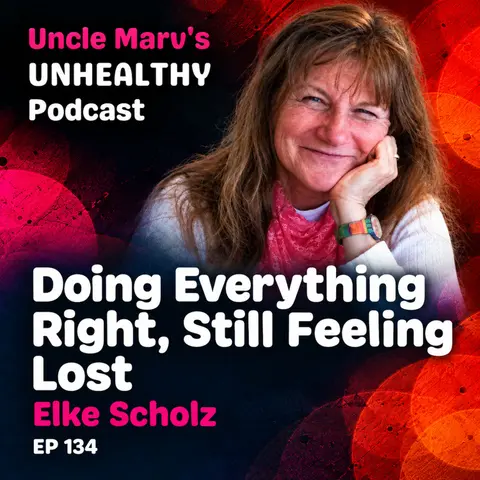
134
Oct. 21, 2026
Doing Everything Right, Still Feeling Lost (EP 134)
You can do everything you’re supposed to do and still feel like something is missing. I sat down with Elke Scholz, a registered psychotherapist, expressive arts educator, and author, expecting to talk about anxiety and running on empty. Instead, we got into the story behind her work: a difficult home life, feeling out of place in school, and the creative classes she credits with saving her life as a teenager. Elke’s path took her from calligraphy and teaching art to writing a book and eventua
133
Oct. 20, 2026
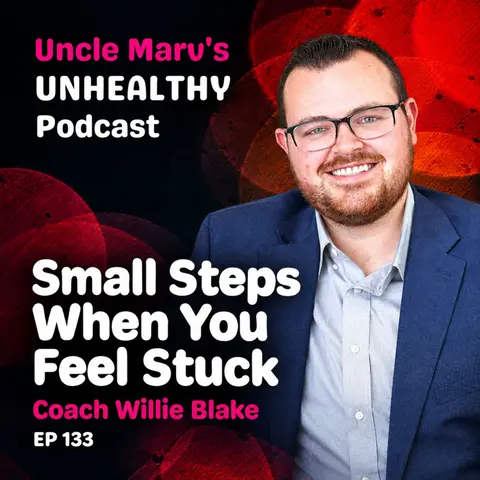
Small Steps When You Feel Stuck (EP 133)
I know the routine: work all day, come home exhausted, turn on the TV, and promise yourself you’ll do something different Monday. Coach Willie Blake joins me again to talk about getting out of that cycle without pretending we can change our whole lives overnight. After exploring his experience with dyslexia and his health journey in our first conversation, we get practical about what comes next: figuring out what you actually want and choosing one small thing you can do about it. Willie also sh